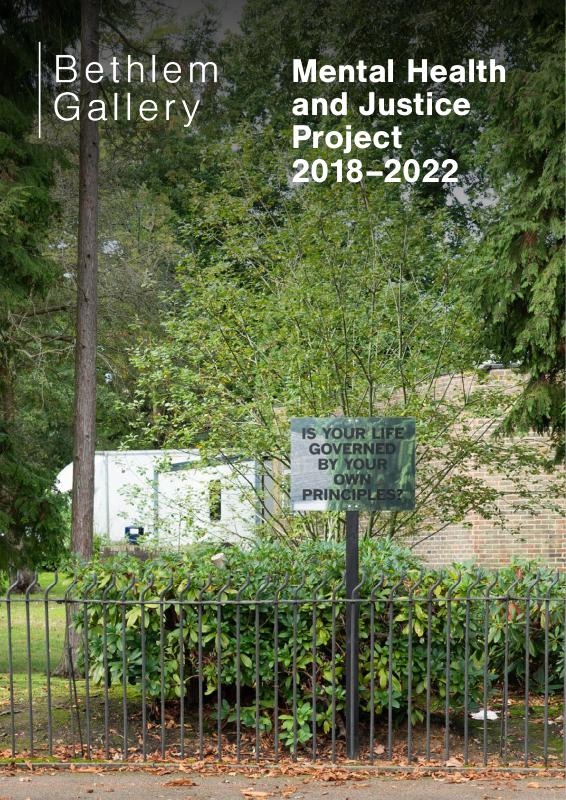
At the beginning of 2018, Bethlem Gallery (staff, artists and volunteers), were leaping around celebrating. A major opportunity had arrived for the small gallery team to place artists and audiences with lived experience at the heart of current research into a complex area where mental health and human rights intersect. We had been awarded the largest grant in the gallery’s history, aside from our core funding, and it had been years of planning leading up to the application.
This solution-focused consultation project has been commissioned to build on previous work that has identified a systemic advice skills gap in the advice sector and some of the key challenges that are contributing to this problem.
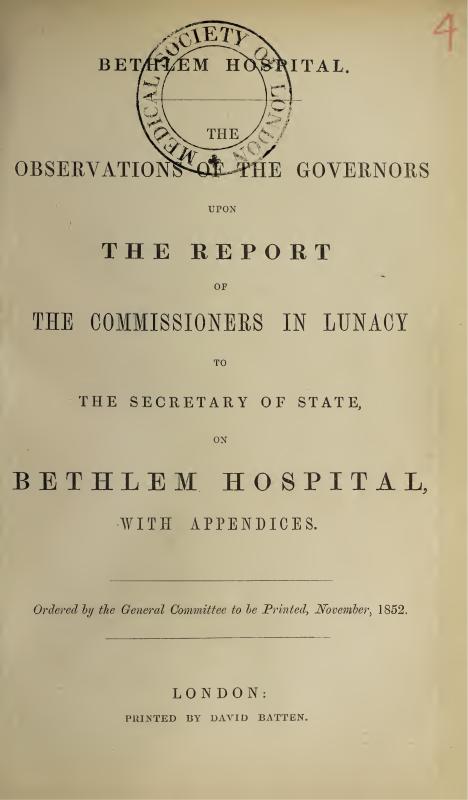
We have the honour to transmit to you the accompanying observations of the General Committee for conducting the affairs of the Royal Hospitals of Bridewell and Bethlem, both upon the Report which was laid before the Secretary of State, by the Commissioners in Lunacy, with reference to Bethlem Hospital, and upon the Evidence on which such Report purports to be founded.
Few clinicians would recurrently venture on the task of preparing a large hospital’s statistical report without a conviction that it had not only a present value but also some value of a more lasting kind. In preparing the Sixth Triennial Report (the fourth prepared by him), the present editor has come increasingly to see this series as a mirror reflecting aspects of the life-history of the Bethlem-Maudsley hospital; and the dry bones of its statistical tables may help a future historian to re-create something of the living and changing scene.
The present Report is somewhat bulkier than its two predecessors. This is because it not only presents the statistics of the
current triennium but compares them with those of the four previous triennia and discusses some of the statistical trends discernable over this period.
The present Report closely follows the pattern of the previous ones. There is one important change in lay-out: for each chapter, the commentary now precedes the tables.
In editing the third Report, I have been very conscious of my inadequacy as successor to Dr. Blacker; but my task has been made smoother and my inexperience mitigated by the good fortune of my having had, at every stage, his ready help and guidance.
The subject matter of the first five chapters is the statistical information which, as a routine, is recorded on the front page of the case-notes of every out- and in-patient.
In July 1948, the Bethlem Royal Hospital and the Maudsley
Hospital, which had previously been independent of each other,
were combined as a Teaching Hospital. This report covers the
activity of the Joint Hospital from 1st January, 1949 to 31st
December, 1951.
That it be referred to the Committee to consider the necessity of making a General Report of the state and proceedings of the Hospitals and the House of Occupations, in addition to the Annual Report of the physicians relating to Bethlem Hospital.
Historical account of Bethlem Hospital. An eighteenth century trove of words in use for diet, diagnosis, treatment and so forth. Short description of admission process
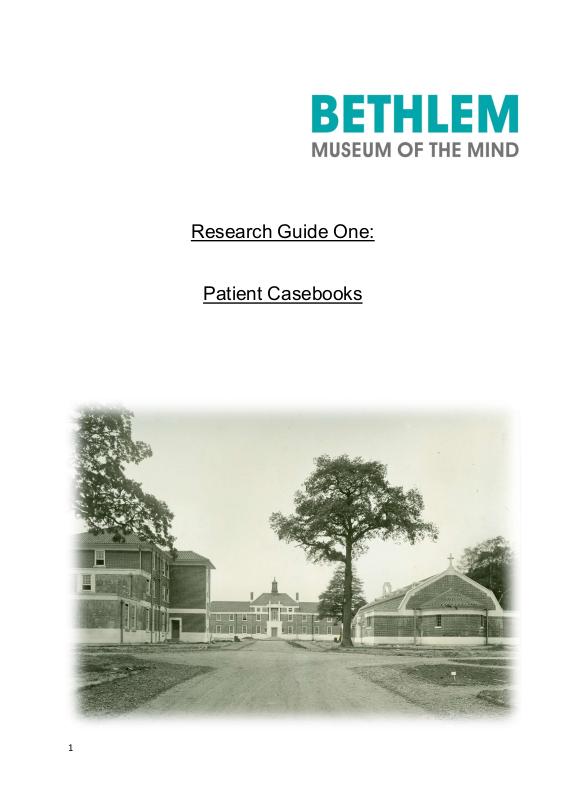
Casebooks are the ancestor of the current NHS patient record, the most comprehensive
record of a patient’s situation, wellbeing and treatment that the Hospital kept.